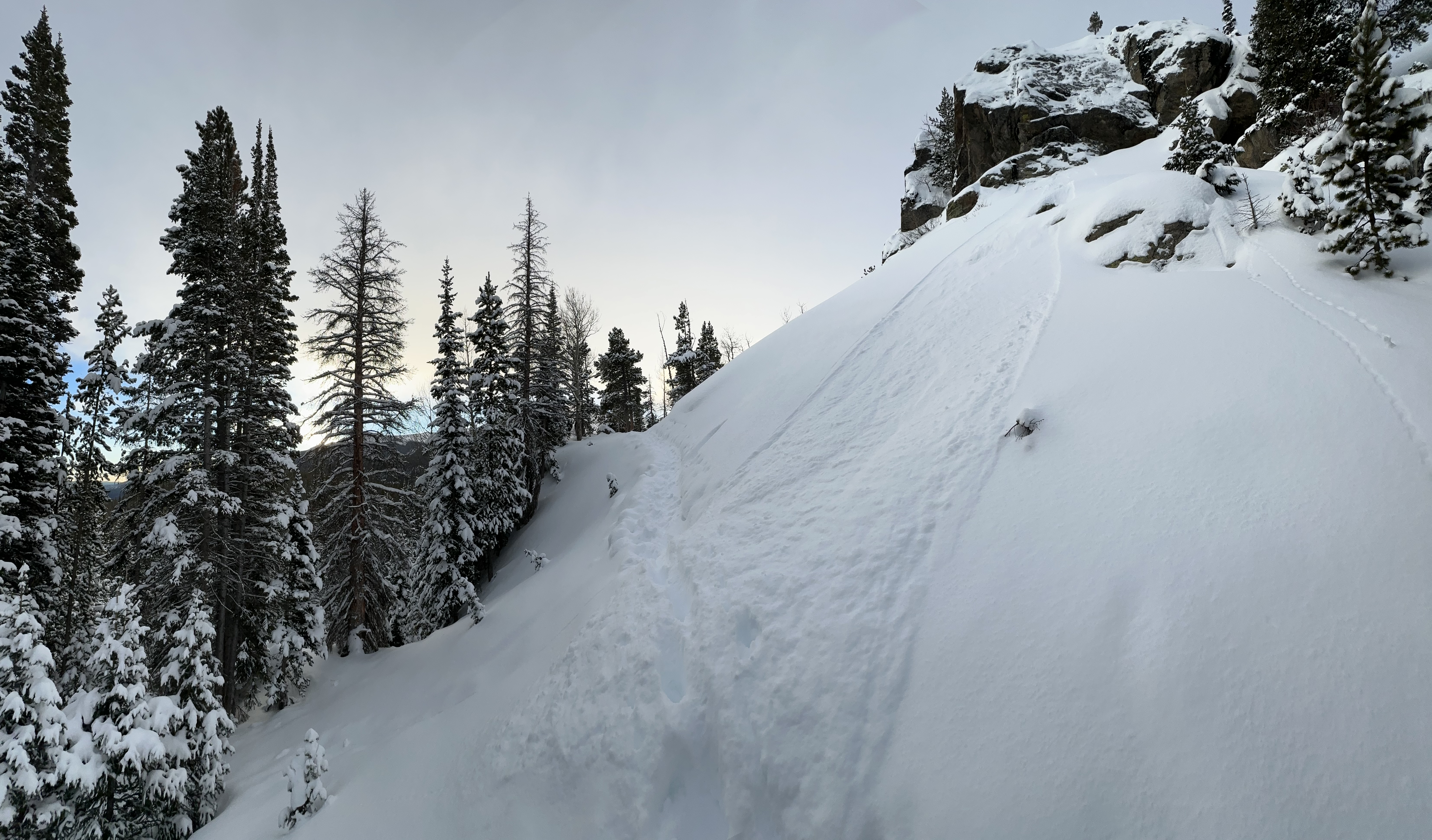
Understanding the Growing Threat: Why Avalanche Fatalities are Surging
The allure of untracked powder and serene landscapes draws countless skiers away from groomed slopes and into the exhilarating world of off-piste and backcountry skiing. However, this freedom comes with significant, often life-threatening, risks. Recent seasons have underscored this stark reality, with a noticeable increase in tragic incidents across the European Alps. Reports from regions like Savoie highlight a disturbing trend: Why Avalanche Fatalities Are Surging in the Alps This Year, making avalanche safety more critical than ever.
The beginning of the year has seen a distressing series of fatal events. For instance, a single Saturday in February witnessed two deadly avalanches in Savoie alone. One particularly somber incident involved three ski tourers ascending the summit of Grands Moulins (2,495m) in the Belledonne massif, claiming the life of a 30-year-old woman. Just recently, another skier tragically lost their life in an off-piste avalanche near Villaroger, Savoie, even though the risk level was noted as 2/5, underscoring that even moderate risk can be deadly. These incidents, sadly, are not isolated. The tragic reality of décès avalanche (avalanche deaths) in the Alps serves as a stark reminder of the mountain's power. While the specific names of victims are often withheld out of respect, or are reported in local media—sometimes a Céline, sometimes a Jean-Pierre—each represents a profound loss and a story cut short, compelling us to double down on safety.
Several factors contribute to this rise in fatalities. More people are venturing off-piste, sometimes with insufficient experience or preparation. Advanced gear can sometimes instill a false sense of security. Furthermore, changing climate patterns are creating more unpredictable and unstable snowpacks, complicating risk assessment. The mountain is an unforgiving environment, and respect, preparedness, and continuous vigilance are paramount.
The "Equipped, Trained, and Together" Mantra: Essential Gear and Group Dynamics
Venturing into the backcountry without the proper safety equipment is akin to playing Russian roulette. The préfecture's advice is unequivocal: "Il ne faut pas être seul, il faut s’équiper d’un matériel comprenant une sonde, une pelle, un détecteur de victimes d’avalanche et, si possible, un sac airbag." This translates to a critical trinity of gear that every off-piste skier and snowboarder must carry and, crucially, know how to use:
- Avalanche Transceiver (DVA - Détecteur de Victimes d'Avalanche): This electronic device transmits a signal when buried and receives one when searching. Every member of a group must wear one turned on and set to transmit. Regular battery checks are essential.
- Avalanche Shovel: Essential for quickly excavating a buried person. Lightweight aluminum shovels are common. Plastic shovels are often insufficient for dense avalanche debris.
- Avalanche Probe: A collapsible pole used to pinpoint the exact location of a buried victim once a transceiver signal has been detected. Effective probing significantly reduces rescue time.
- Avalanche Airbag System (Optional but Highly Recommended): These backpacks contain an airbag that, when deployed, can increase a buried person's volume, helping them stay on top of the debris rather than being buried deeply. While not a guaranteed lifesaver, they dramatically increase survival chances.
Beyond individual equipment, the "together" aspect is non-negotiable. Never ski off-piste alone. A group provides vital support in an emergency. However, simply being in a group isn't enough; every member must be trained in avalanche rescue techniques. This includes practicing transceiver search patterns, efficient probing, and strategic shoveling. Timely rescue is critical; survival rates drop dramatically after just 15 minutes under the snow. Regular practice sessions throughout the season are vital to ensure skills remain sharp.
The Importance of Group Communication and Decision-Making
Effective communication within a group is as crucial as the gear itself. Before heading out, discuss the route, potential hazards, and emergency protocols. During the tour, maintain visual contact, and communicate any concerns or observations about snow conditions. Group decision-making should be democratic but decisive, with the most cautious member's opinion often carrying the most weight. Avoid "summit fever" or the pressure to follow others into dangerous terrain.
Reading the Mountain: Avalanche Risk Assessment and Decision Making
The mountain speaks a language of its own, and learning to interpret its signs is a fundamental skill for any off-piste enthusiast. Avalanche risk assessment is a complex blend of understanding current conditions, local topography, and human factors. Even at a moderate risk level, like the 2/5 reported in Villaroger where a fatality occurred, avalanches can be deadly. This demonstrates that "low risk" does not mean "no risk." For more insights into recent incidents, read Deadly Avalanches in Savoie: Understanding Recent Tragedies.
Key Factors to Monitor:
- Avalanche Forecasts: Always consult the local avalanche bulletin (e.g., Météo France in the Alps) before and during your trip. These forecasts provide crucial information on risk levels, specific avalanche problems (e.g., fresh snow, wind slabs, persistent weak layers), and affected aspects/altitudes.
- Weather Conditions: Recent snowfall, strong winds (which create dangerous wind slabs), rapid temperature changes (thawing/freezing), and heavy precipitation all destabilize the snowpack.
- Snowpack Observation: Learn to recognize danger signs. Cracks propagating in the snow, "whoompfing" sounds (collapsing weak layers), recent avalanches, and cornices are all red flags. Consider performing snow pit tests to evaluate layers, though this requires training and experience.
- Terrain Analysis: Understand how terrain influences avalanche risk. Steep slopes (generally 30 degrees or steeper are most prone), convex rolls, terrain traps (gullies, depressions where avalanche debris can pile up), and areas below cornices are particularly dangerous. Choose routes that minimize exposure to these hazards.
Ultimately, decision-making is about risk management. This includes knowing when to turn back, choosing conservative routes, and maintaining safe distances between group members when exposed to potential avalanche paths. Your intuition, coupled with factual data, is your most valuable tool.
Beyond the Basics: Advanced Safety Measures and Continuous Learning
While fundamental equipment and basic training are non-negotiable, true mastery of avalanche safety is an ongoing journey. The backcountry environment is dynamic and ever-changing, demanding continuous learning and adaptation.
Consider Advanced Training:
- Certified Avalanche Courses: Enrolling in a comprehensive avalanche safety course (e.g., Avy Level 1 and 2) taught by certified professionals provides invaluable in-depth knowledge of snow science, advanced rescue techniques, and decision-making frameworks. These courses go far beyond what can be learned from online articles.
- Regular Practice: It's not enough to take a course once. Schedule regular practice sessions with your ski partners to hone your transceiver search, probing, and shoveling skills. Timed drills under realistic conditions can expose weaknesses and build confidence.
- First Aid and Wilderness Medicine: Accidents in the backcountry can involve more than just burial. Basic first aid and wilderness medicine skills can be crucial for managing injuries and stabilizing victims while awaiting professional rescue.
Developing a "Safety Culture":
Safety is not just an individual responsibility; it's a collective one. Foster a strong "safety culture" within your skiing group. This means:
- Open Dialogue: Encourage everyone to voice concerns, no matter how minor. A culture of psychological safety ensures that no one feels pressured to ignore red flags.
- Peer Checks: Before heading out, conduct thorough gear checks, ensuring transceivers are on, batteries are charged, and all essential items are packed.
- Learning from Experience: Debrief after each tour, discussing what went well, what could have been done differently, and any close calls or observations. Learning from near misses, both your own and others', is crucial.
- Mentorship: Experienced backcountry skiers have a responsibility to mentor less experienced individuals, sharing knowledge and instilling safe practices.
Conclusion: Prioritizing Safety in the Backcountry
The exhilaration of off-piste skiing and snowboarding is unparalleled, offering a unique connection with nature and the thrill of pristine powder. However, this privilege comes with a profound responsibility: to yourself, your partners, and the mountain itself. The rising numbers of décès avalanche incidents, sadly claiming lives and leaving behind stories that touch us deeply, serve as a potent reminder of the inherent dangers. By consistently prioritizing avalanche safety – through comprehensive equipment, rigorous training, informed decision-making, and a commitment to continuous learning – we can significantly mitigate these risks.
Never underestimate the power of the mountain. Respect its unpredictability, heed its warnings, and equip yourself with the knowledge and tools to navigate its challenges safely. The most beautiful turns are those you live to tell about.