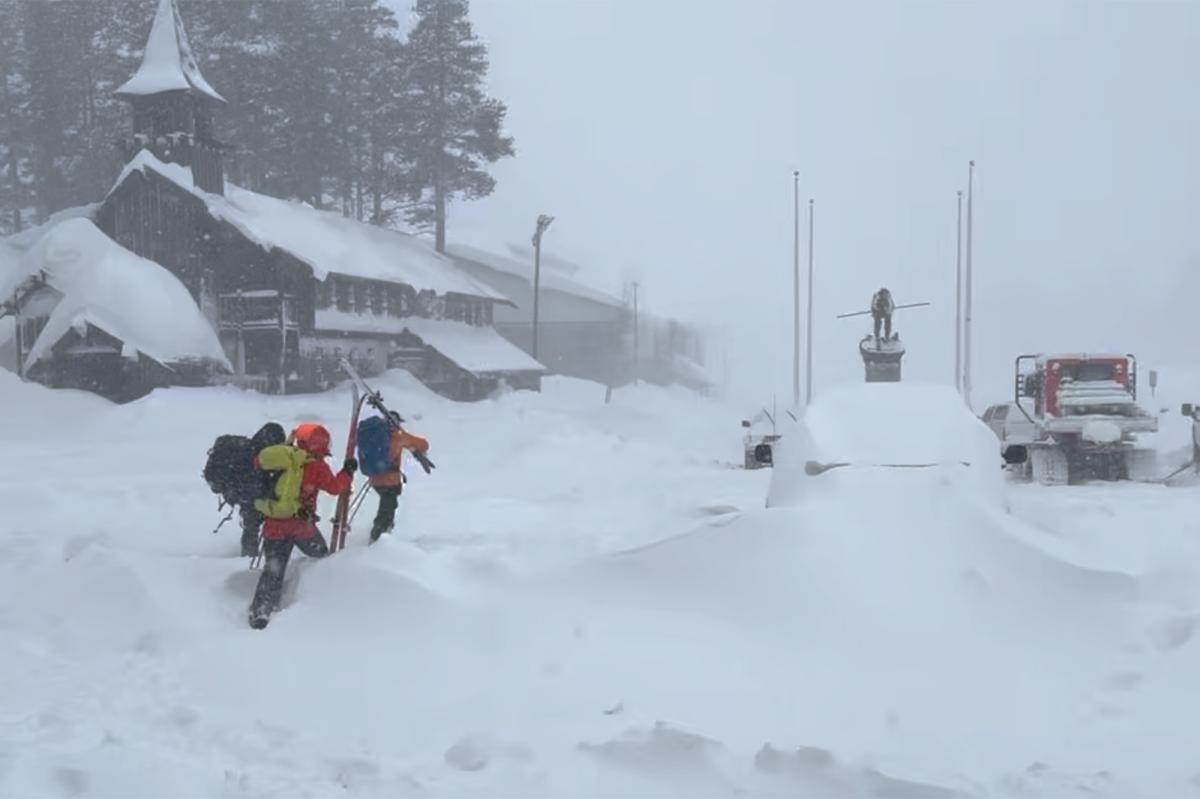
Why Avalanche Fatalities Are Surging in the Alps This Year
The majestic, snow-capped peaks of the Alps beckon adventurers from across the globe, offering unparalleled beauty and thrilling challenges. Yet, this year, the allure of the high mountains has been tragically overshadowed by an alarming surge in avalanche fatalities. As winter gives way to spring, the number of lives lost to these powerful forces of nature has reached sobering levels, prompting urgent calls for increased awareness and stricter adherence to safety protocols. From seasoned ski tourers to recreational off-piste enthusiasts, the mountain has claimed many, leaving communities and families grappling with profound loss.
The tragic human toll, often encapsulated by heartfelt searches for information on individual losses—be it a friend, a family member, or a well-known guide—highlights the personal devastation behind each statistic. The deep grief associated with searches such as 'décès avalanche céline' by those seeking understanding or solace underscores the profound impact on individuals and communities when tragedy strikes in the mountains.
A Grim Season Unfolds: The Alarming Statistics
The early months of the year have seen an unprecedented series of avalanche incidents across the Alps, particularly in the French regions. February, in particular, was a harrowing month, with official reports indicating that at least eight people perished in avalanches within a mere ten-day span. This grim statistic paints a stark picture of the season's severity and the inherent dangers that even experienced mountaineers face.
Specific Incidents: A Closer Look at the Tragedies
The escalating trend in fatalities became chillingly evident with multiple high-profile incidents. On Saturday, February 15th, the Savoie region alone recorded two deadly avalanches. One particularly devastating event struck three ski tourers ascending the Grands Moulins summit (2,495m altitude) in the Belledonne massif. Tragically, a 30-year-old woman lost her life in this incident, swept away by the unforgiving snow. Such personal tragedies underscore the critical need for vigilance and preparedness.
Another poignant reminder of the mountain's power occurred more recently in Villaroger, Savoie. A skier venturing off-piste in the Grand Col sector was tragically carried away by an avalanche and died, even though the avalanche risk at that location was rated 2 out of 5—a moderate level that can often lull individuals into a false sense of security. While four other individuals involved in the same incident were swept by the powerful snow slide, they fortunately emerged unharmed, a stark testament to both luck and, potentially, prompt self-rescue or the effectiveness of their safety gear. These incidents, among others, contribute to the heartbreaking narrative of this year's avalanche season. For more detailed insights into these specific events, you can refer to articles like Deadly Avalanches in Savoie: Understanding Recent Tragedies.
Understanding the Peril: Why the Surge in Fatalities?
The question on everyone's mind is: why this sudden increase in avalanche fatalities? It's rarely a single factor but rather a complex interplay of environmental conditions, human behaviour, and the ever-present allure of untouched powder. Understanding these contributing elements is crucial for preventing future tragedies.
The Allure of Off-Piste and Its Risks
One of the most significant factors contributing to the surge in fatalities is the growing popularity of off-piste skiing and ski touring. While ski resorts meticulously manage avalanche risks within their marked domains, the vast, unregulated backcountry offers a different kind of freedom—and a different level of danger. Many fatalities this year, including the one in Villaroger, have occurred outside marked ski areas. The promise of fresh tracks in pristine snow often tempts adventurers to push boundaries, sometimes unknowingly entering highly unstable terrain. Without proper knowledge and equipment, these exhilarating pursuits can quickly turn fatal.
Variable Snow Conditions and Unpredictability
The Alps have experienced highly variable weather patterns this winter, leading to complex and often unpredictable snowpack conditions. Periods of heavy snowfall followed by warm spells, rain, or strong winds can create dangerous layers within the snowpack. A layer of weak, sugary snow buried beneath a fresh slab of heavier snow is a classic recipe for slab avalanches, which are particularly deadly. Even with moderate avalanche risk ratings (like the 2/5 observed in the Villaroger incident), localized instabilities can exist and be triggered by a single person. The mountain environment is dynamic, and conditions can change rapidly throughout the day, making constant assessment and adaptability paramount.
Human Factors: Overconfidence and Lack of Preparation
Beyond environmental factors, human behaviour plays a critical role. Overconfidence, often fueled by experience in stable conditions, can lead to poor judgment. The "expert halo" effect, where group members defer to a more experienced leader without questioning decisions, can also be dangerous. Furthermore, a lack of adequate preparation, training, or essential safety equipment significantly amplifies the risk. Many incidents reveal that victims were either not carrying the necessary gear or did not know how to use it effectively under pressure. The human element, including decision-making under stress and a tendency to underestimate risk, remains a crucial area for improvement.
Essential Safety Measures: Preventing Future Tragedies
While the Alps remain an irresistible playground for winter sports enthusiasts, the recent surge in fatalities serves as a stark reminder that respect for the mountain and meticulous preparation are not optional, but absolutely essential. Preventing future tragedies hinges on a multi-faceted approach combining personal responsibility, education, and the right equipment.
Preparation is Paramount
Authorities, including local prefectures, consistently emphasize the critical importance of preparing thoroughly for any backcountry excursion. The advice is unequivocal: never venture out alone. Having companions means there's a higher chance of immediate rescue should an avalanche occur. Furthermore, essential safety equipment is non-negotiable:
- Avalanche Transceiver (DVA): This electronic device allows for the rapid location of buried victims. It must be worn close to the body and checked for functionality before every outing.
- Avalanche Probe: Once a signal is located with a transceiver, the probe is used to pinpoint the exact depth and location of the buried person.
- Avalanche Shovel: Crucial for efficiently digging out a buried victim. Time is of the essence in avalanche rescue, and a sturdy shovel can mean the difference between life and death.
- Airbag Pack: While not a guarantee, an avalanche airbag can significantly increase a person's chances of survival by keeping them on top of the snow slide.
Beyond carrying the gear, knowing how to use it proficiently is equally vital. Regular practice drills with your group are highly recommended to ensure everyone can react effectively in a crisis. For a comprehensive guide, check out Essential Avalanche Safety Tips for Off-Piste Skiers.
Education and Awareness
Understanding avalanche terrain, snowpack dynamics, and weather patterns is a skill developed through education and experience. Attending avalanche safety courses (such as those offered by ANENA in France or similar organizations globally) can provide invaluable knowledge. Learning to read the snow, identify warning signs, and interpret avalanche bulletins are fundamental skills for anyone venturing into the backcountry. Always consult the latest avalanche forecast for your specific area before heading out, and be prepared to change your plans if conditions are unfavorable.
Making Informed Decisions
Perhaps the most challenging, yet most important, safety measure is the ability to make informed, conservative decisions. This includes:
- Route Planning: Choose routes that avoid known avalanche paths, especially after fresh snowfall or during periods of instability.
- Terrain Assessment: Constantly evaluate the terrain as you move. Look for signs of instability like recent avalanches, cracking snow, or 'whumphing' sounds.
- Group Management: Travel one at a time in exposed areas, maintain visual contact, and ensure safe distances.
- Willingness to Turn Back: The mountain will always be there. If in doubt, or if conditions seem riskier than anticipated, turning back is always the safest option. No powder run is worth a life.
The Broader Impact and Remembering the Lost
Each avalanche fatality leaves an indelible mark, not just on the immediate families and friends, but on the broader mountain community. These incidents serve as stark reminders of the inherent risks of beloved winter sports and the delicate balance between exhilarating adventure and potential tragedy. The individual stories behind each statistic, the hopes, dreams, and loved ones left behind, are what truly drive the urgent calls for increased safety.
Whether it's a specific personal search like 'décès avalanche céline' or a general inquiry into recent losses, the underlying sentiment is one of grief, concern, and a desire to understand what happened and how future tragedies can be averted. These searches reflect a collective acknowledgment of the human cost and a communal effort to learn and adapt.
The surge in avalanche fatalities in the Alps this year is a profound tragedy, a sobering reminder of the power of nature and the responsibilities that come with enjoying its grandeur. While the allure of the backcountry remains strong, the recent incidents underscore the absolute necessity of unwavering respect for the mountain, meticulous preparation, and sound decision-making. By prioritizing comprehensive training, carrying essential safety equipment, and cultivating a culture of caution, we can collectively work towards mitigating risks and ensuring that the beauty of the Alps can be enjoyed more safely by all. Let us honor those who have been lost by redoubling our commitment to avalanche safety, making informed choices, and always putting life before fresh tracks.